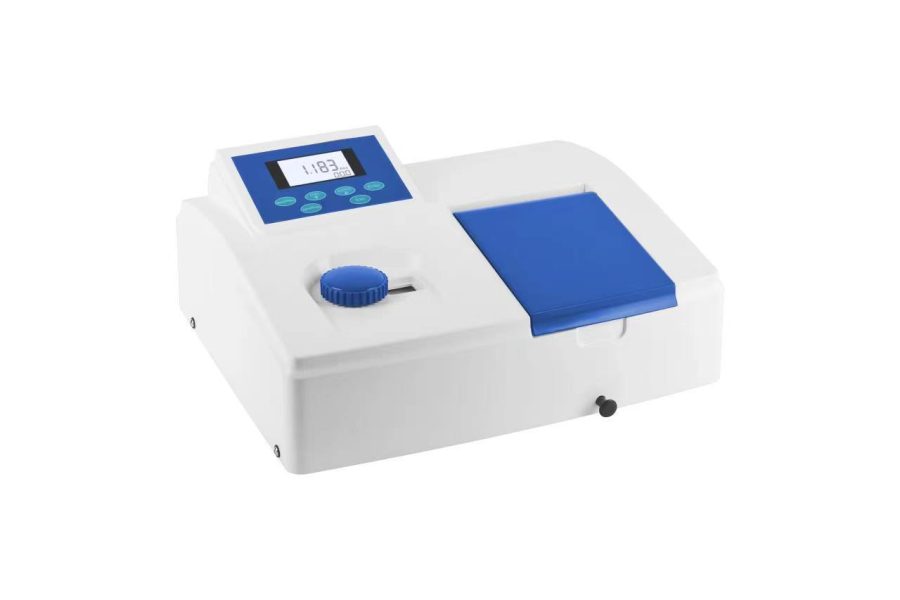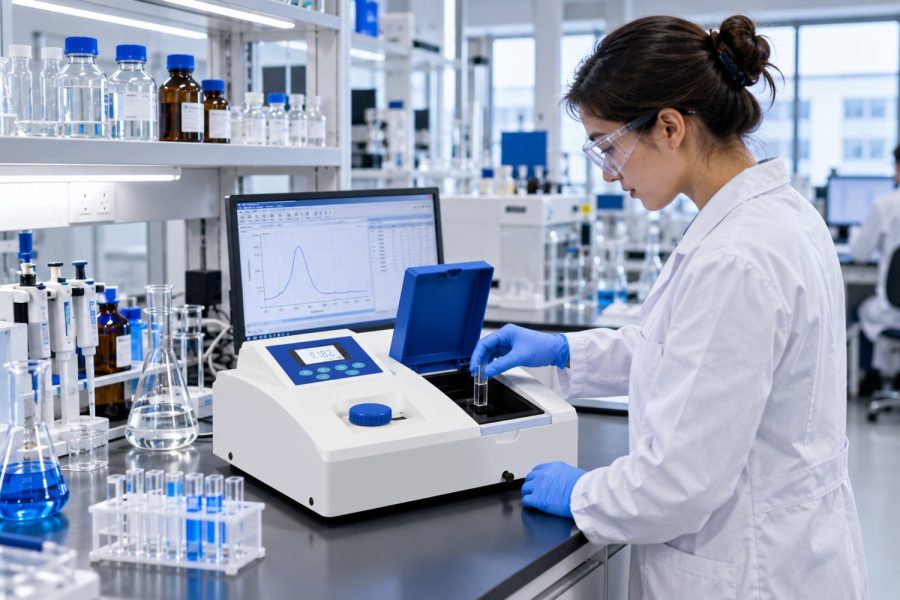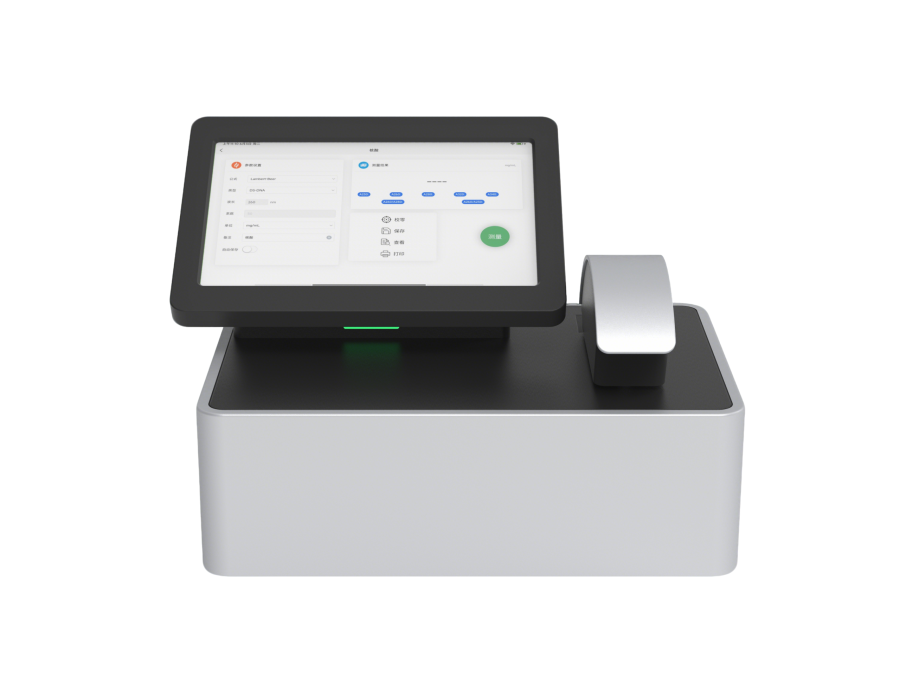
UM Series Nano Spectrophotometer
Minimal sample volume required, UV-Vis Full-Wavelength Scanning.
- Wavelength Range
- 200-900nm
- Optical Path
- 1mm

Application note · Education & Research
Why research teams should specify the accessory list, the operating environment and the data handover before ordering — the three items that decide whether the platform is still useful in five years.
The short answer
Research instruments may need to support methods that are still being developed. Specify the sample types, measurement modes, operating ranges and accessories required for both current and anticipated experiments.
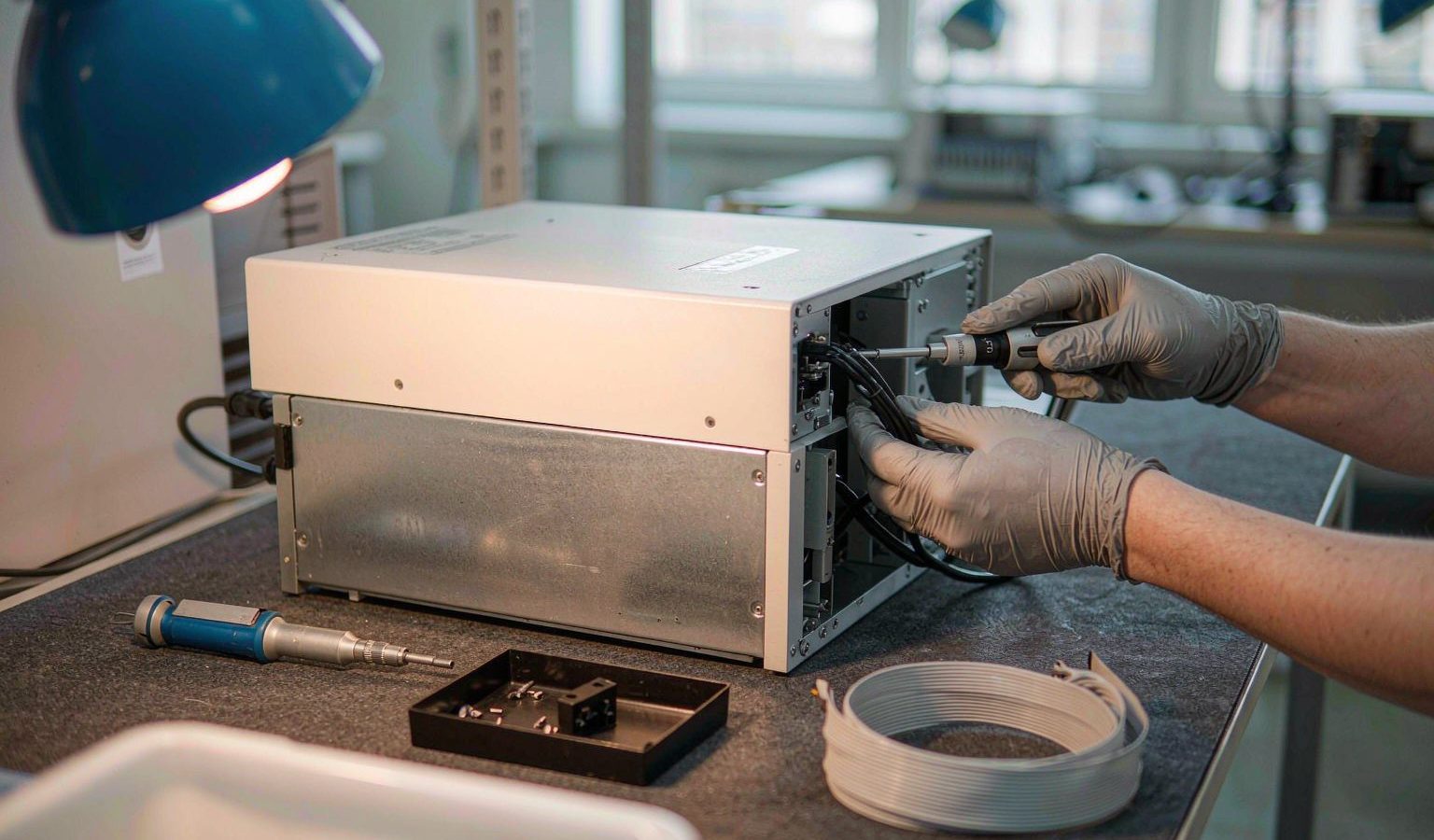
Two laboratories can buy the same model and end up with different instruments, because the accessories decide what the platform can actually measure. Sample holders, cell changers, temperature control, microvolume cells and solid sample ports each add a capability and a cost. Write the accessory list against the experiments the group expects to run, and mark which items are needed at installation.
Instruments that are sensitive to temperature, vibration or humidity behave differently in a shared laboratory than in a showroom. Ask for the operating environment the manufacturer assumes, then compare it with the room the instrument will live in. A platform that needs a stable temperature is not suitable for a bench next to a drying oven, however good its specification.
Research data has to leave the instrument. Specify the export format, whether raw data can be re-processed later, whether the software runs on laboratory computers or only on the instrument, and what happens to the data when the instrument is replaced. A format that cannot be opened in five years is not an archive.
| Item | Question to ask | Why it matters |
|---|---|---|
| User accounts | Does the software support separate users and roles? | Shared instruments lose methods when everyone uses one login |
| Method storage | Are methods stored on the instrument or per user? | Determines whether a method survives a software update |
| Usage logging | Can use be logged per user? | Cost recovery and maintenance planning both depend on it |
| Consumables | Which parts are user-replaceable? | Downtime is decided by what the group can change itself |
Three items go missing from research briefs more often than any others: the sample volume actually available, the number of users who will share the instrument, and the person who will be responsible for it after the grant ends. The first changes the cell or the platform, the second changes the software requirement, and the third decides whether the instrument is still calibrated in two years.
Include sample types, concentration or size ranges, measurement modes, required accessories, operating conditions, data requirements, user numbers and the person responsible for the instrument.
The configuration described above, with the full specification of each model.
Minimal sample volume required, UV-Vis Full-Wavelength Scanning.
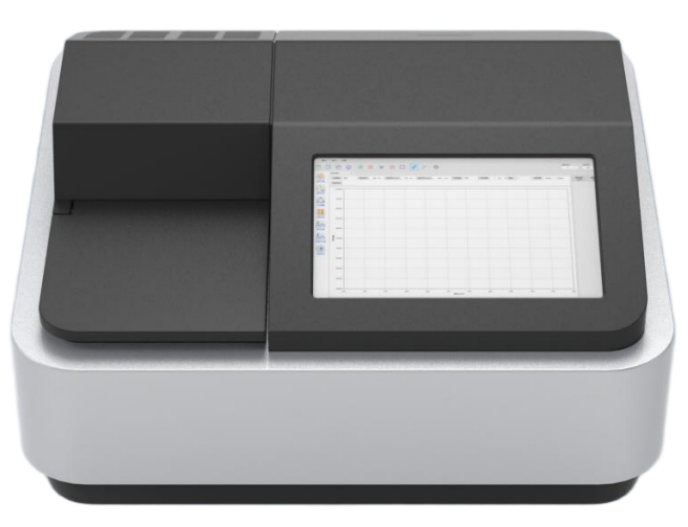
F Series
The interface uses a modular layout with clearly labeled function icons.
Specify the envelope: sample types, the concentration or size range, the measurement modes, the accessories required at installation, and the environment. Those five describe what the instrument must be able to do, which is a better brief than a first experiment.
Yes. Ask how many installations are permitted, whether analysis can be done off the instrument, and what happens on a computer replacement. A license that is tied to one machine becomes a bottleneck the moment a second student wants to process data.
Temperature control and microvolume sampling. Both are cheap at the point of order and awkward to add later, and both decide whether a method can be transferred from a manual to an automated workflow.
Application note
How to choose instruments that survive a class timetable, produce interpretable results and can be shared with a…
Application note
A teaching laboratory guide to experiment design, sample handling and result export — aimed at an experiment a…
Application note
What changes when the same instrument moves from a teaching practical to method development — detection limit, precision,…
Let’s talk about your application
Send the sample, the concentration range and the reference method. We will confirm the instrument and the accessories.