
October 20, 2026
Why a Global Laboratory Brand Needs Local Service
Installation, commissioning, training and spare-part logistics decide whether an instrument becomes a working system — and they are the part of an export purchase that a catalog cannot show.
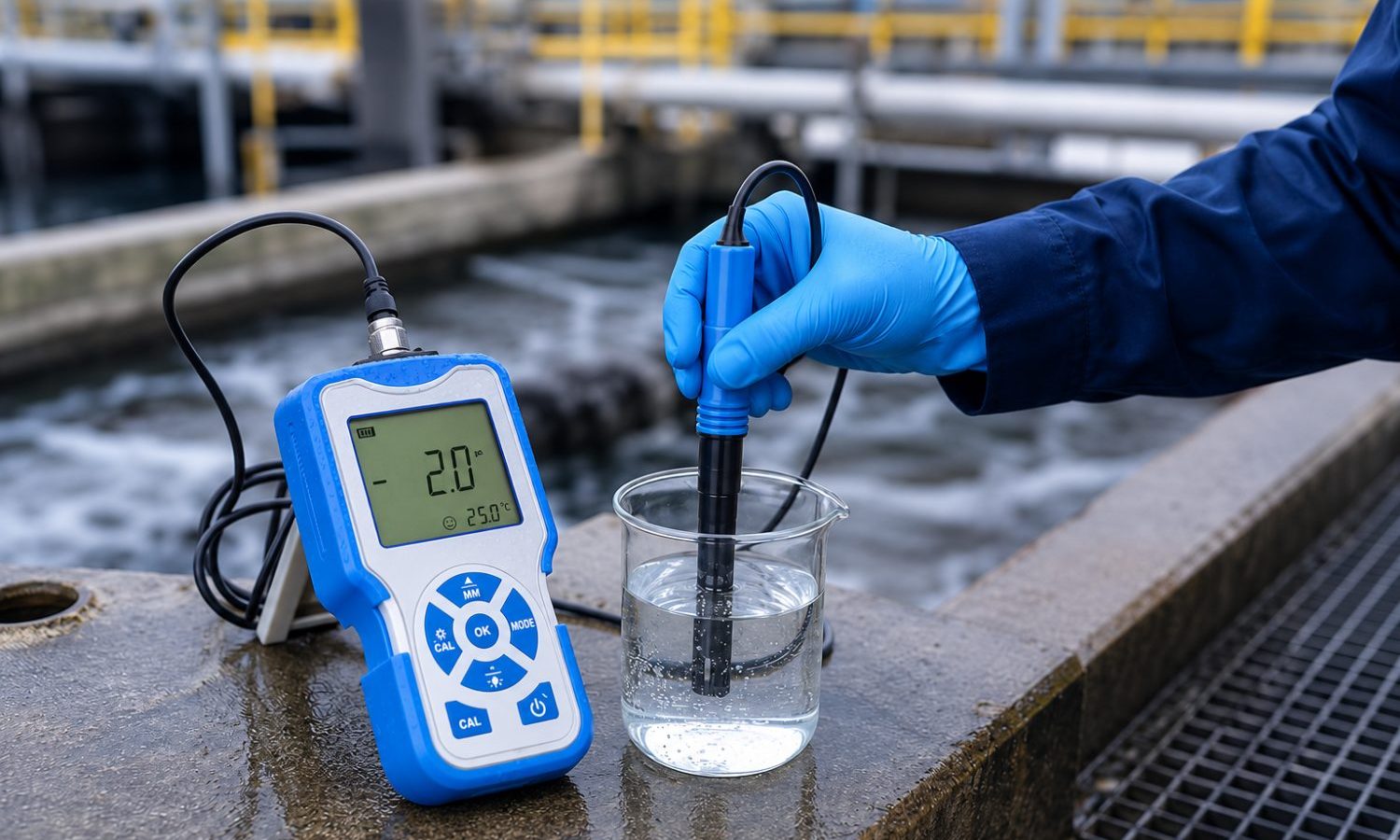
An instrument becomes part of a working laboratory when installation, training, method verification and maintenance are planned. International buyers should agree these service arrangements when reviewing the quotation.
What local service actually covers
Six activities, each of which can be present or absent: installation and commissioning, the first calibration or verification, operator training on the actual method, consumables supply, repair and spare parts, and software or firmware support. A supplier that offers installation and repair but not method training leaves the laboratory to work out the application alone — which is where most early dissatisfaction begins.
The instrument is a system
An instrument that arrives without its accessories, its consumables and its operating language is not a system. Neither is one whose service depends on a part ordered from another continent. A workable definition: the system can be installed, run and maintained using what is on site, plus what can be restocked within the planned interval.
This is why the spare-parts list belongs in the quotation rather than in a conversation after the first failure. A short list sized to the realistic failure modes costs little and removes the failure mode that hurts most — the instrument that is fine but cannot run.
Four questions that reveal the route
| Question | What a useful answer looks like | What a weak answer sounds like |
|---|---|---|
| Who installs it? | A named engineer, a defined scope, a commissioning report | “Installation is straightforward” |
| How far away is support? | A stated service point, response measured from the logged call | “We have partners” |
| Which parts should we stock? | A short list sized to failure modes, priced in the quotation | “Parts are available” |
| Who trains the operators? | The same visit, with the method as the subject | “The manual explains it” |
Why remote support changed the equation
A networked instrument can be inspected without a flight. Firmware versions, parameter settings, error logs and sometimes a live view of a failing run can be read by an engineer while the operator is at the bench. That turns a class of problems from a site visit into a phone call, and it turns another class from a mystery into an instruction.
What remote support cannot do is replace a pump seal, clean a detector or re-plumb a sample line. The realistic model is remote diagnosis plus local hands, which is why the two capabilities have to be planned together.
The cost of no route
Incomplete service planning can increase downtime, training needs and the risk of inconsistent operation. Define responsibilities and support arrangements before delivery.
None of those shows up in a purchase comparison. All of them show up in the second year of ownership.
What to write into the order
Include installation, commissioning, training, initial verification and recommended spare parts in the agreed order documents.
Source notes
This article is an editorial summary for international buyers. Review the current source and confirm model specific details with Yoke before purchase: the company profile and service organization.
Let’s talk about your application
Questions about this topic?
Our application team can review your method and the configuration that fits it.